This post contains affiliate links. If you buy through them, I may earn a small commission at no extra cost to you.
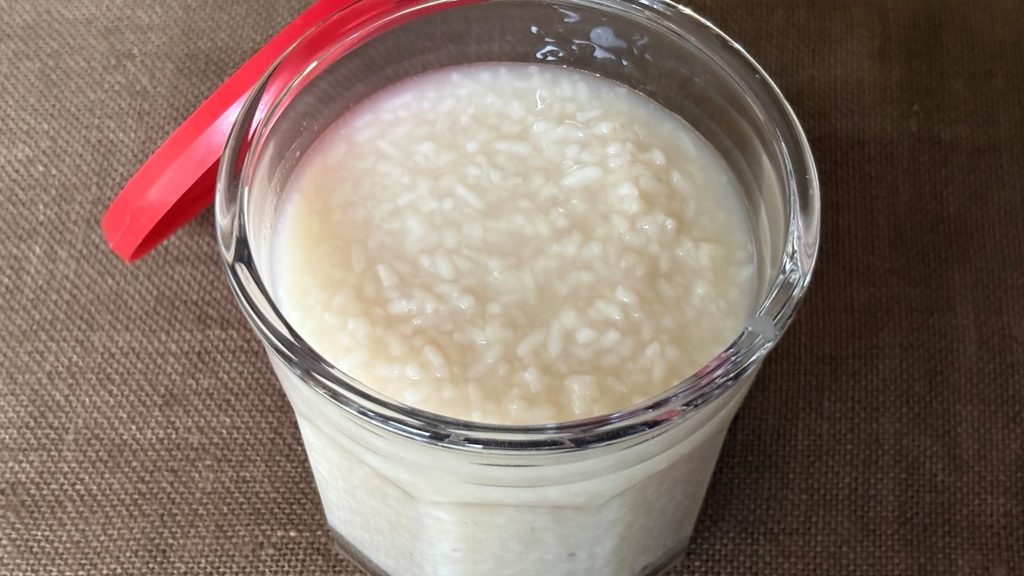
Shio koji is the seasoning I reach for more than salt. Mostly I marinate meat and fish in it, and I also turn it into dressings. It also made my roast chicken famous with my restaurant customers.
In this post, I will share exactly how I make it at home, and how I use it every day.
What Is Shio Koji?
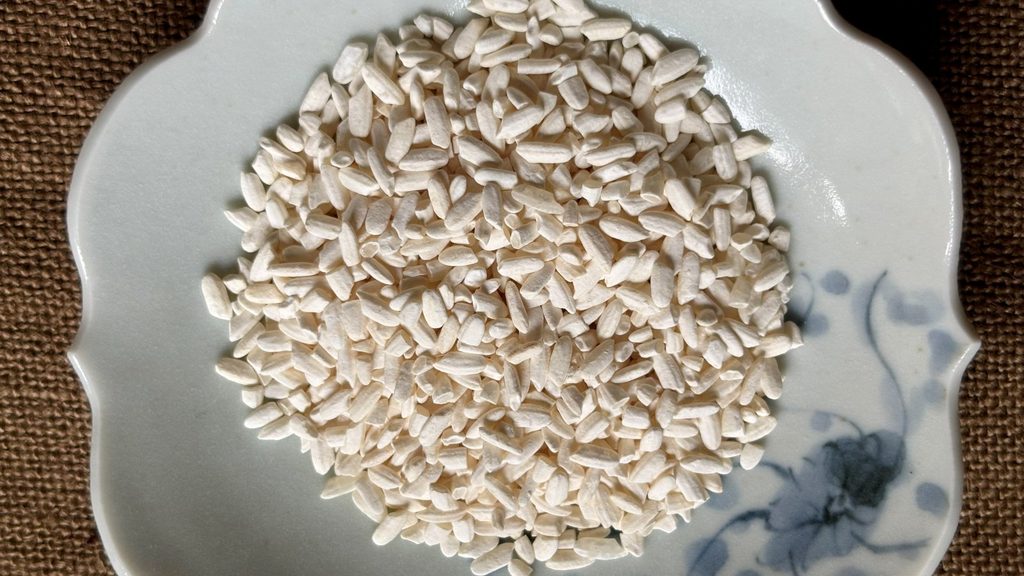
Koji is rice grown with a special mold that Japanese people have used for centuries. It is the base of miso, soy sauce, and sake. Koji is so important that it has even been named Japan’s “national mold” (kokkin). Yes, Japan has a national mold! Shio koji (shio means salt) is koji mixed with salt and water, then left to ferment.
You can use it like salt, but it does much more. It makes meat and fish tender, and gives food a deep, savory flavor called umami. The taste is gentle and round, not sharp like plain salt.
How I Started
I had always been curious about koji. One day, I happened to find a shio koji cookbook by the Japanese chef Takako Nakamura in a bookstore. I tried her recipes, and I have been making shio koji ever since.
Ingredients
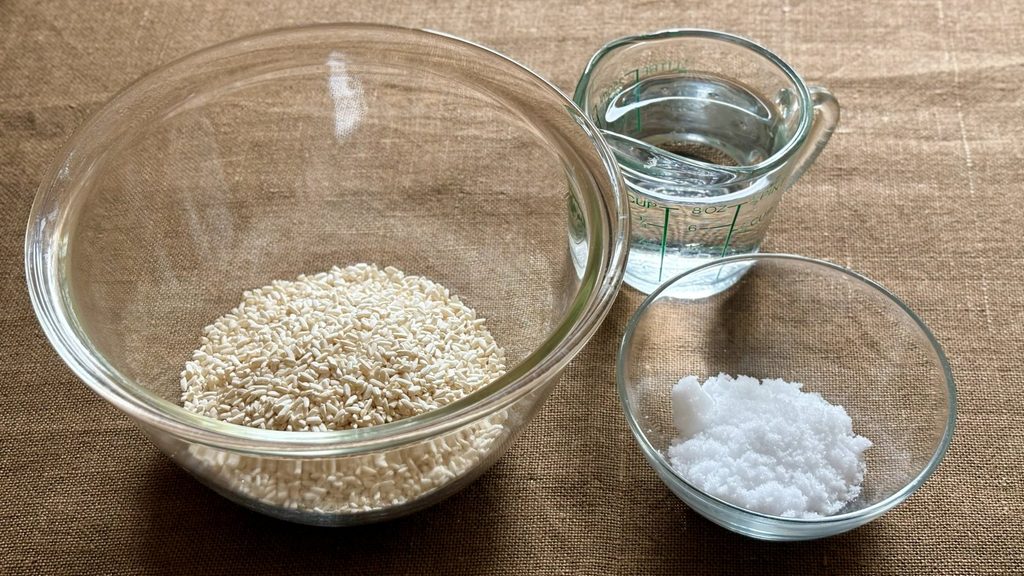
- 300 g (about 10.5 oz) dried rice koji
- 100 g (about 3.5 oz) natural salt (not refined table salt; rock salt or sea salt, whatever you can find)
- 300–350 ml (about 1¼–1½ cups) water
This is the ratio I always use. Amounts vary a little by maker and by cook, so if your koji comes with its own instructions, feel free to follow them.
How to Make It
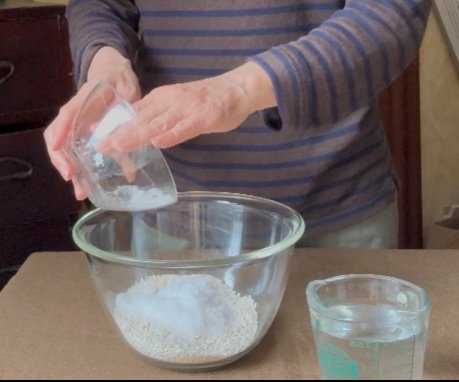
1. Mix the koji and salt well
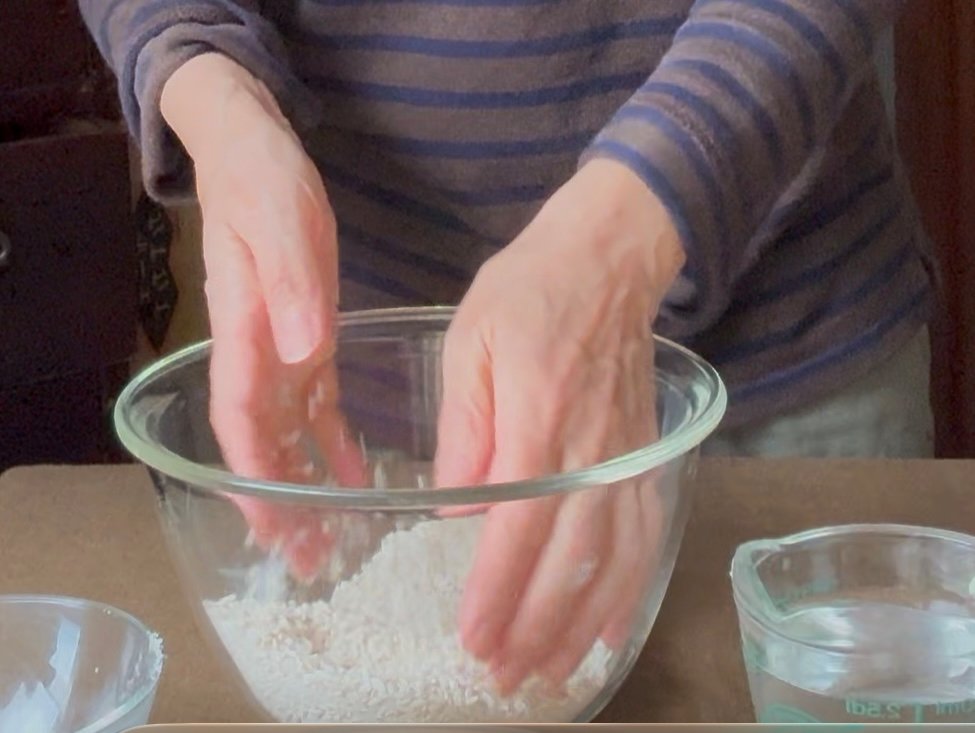
Put the dried koji and salt in a bowl, and mix them with your hands. This is the most important step. Break up any lumps so the salt and koji blend together. It feels wonderful on your hands, too.
2. Add water
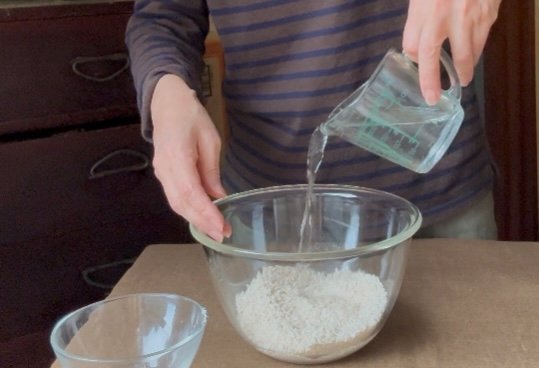
Add the water and mix again.
3. Ferment
With a koji maker: I use a Japanese koji maker called Kamoshico. The manual says 60°C (140°F) for 6 hours. But it does not always turn out perfectly in that time, so I check it and adjust the time if needed.
Kamoshico is made for Japan, but it is really a fermentation machine that also makes yogurt and amazake (a sweet koji drink). So any yogurt maker that can be set to 60°C (140°F) should work the same way. Please check the temperature range before you buy one.
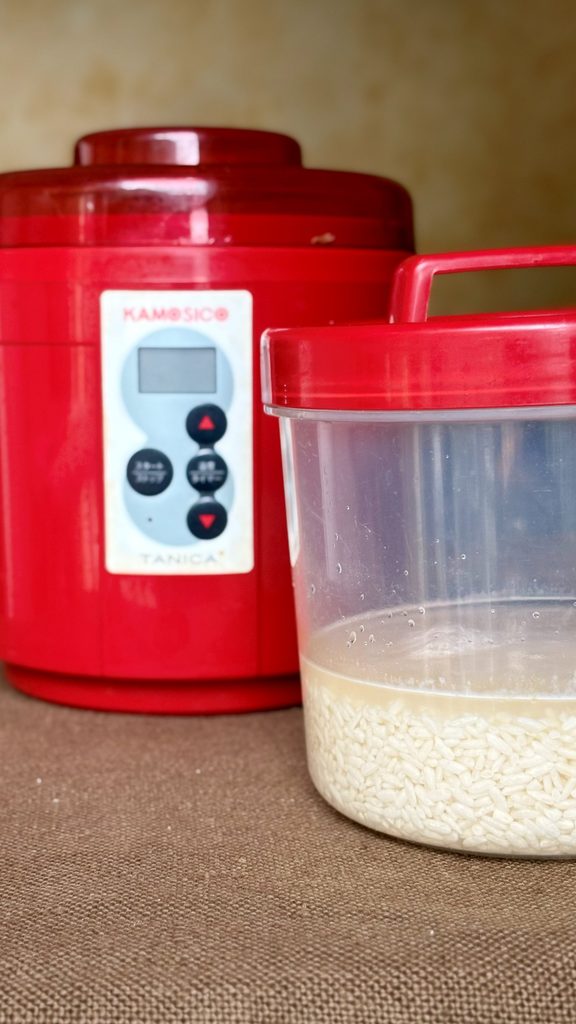
Without a koji maker: Leave it at room temperature and stir it once a day. It will be ready in about one week. It takes longer in cold seasons and less time in warm seasons.
I made it this way for many years. But koji is alive, and the result changed with the season. I often worried whether it was right. That is why I now recommend a machine that keeps a steady warm temperature.
4. Check if it is ready
It is ready when the koji grains have no hard core left inside, and it smells sweet like koji. The sharp saltiness is gone, and it becomes thick and mellow.
If it still feels a little firm, don’t worry. This happens often, depending on the season, the temperature, and the koji. Just keep it warm a little longer. This time, I added 3 more hours.
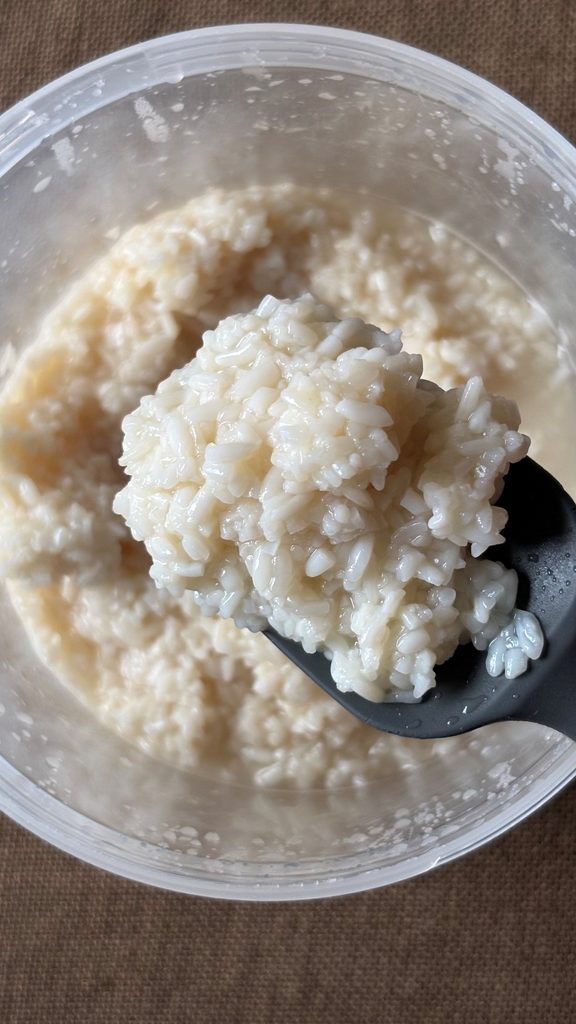
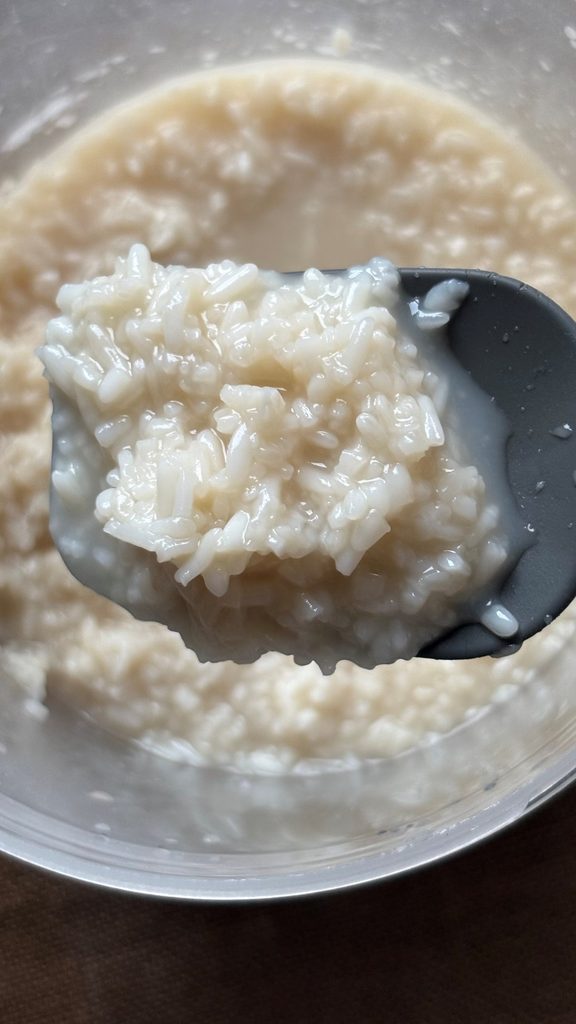
Even after it is ready, shio koji never stops maturing. It gets more mellow day by day. That is the most important thing to know, and the fun part of homemade shio koji.
5. Blend (my extra step)
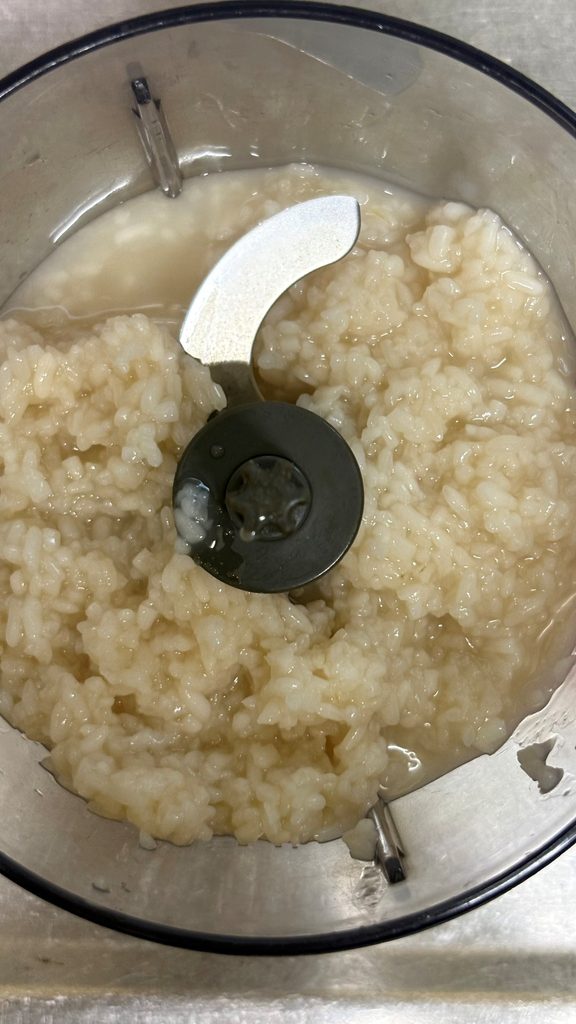
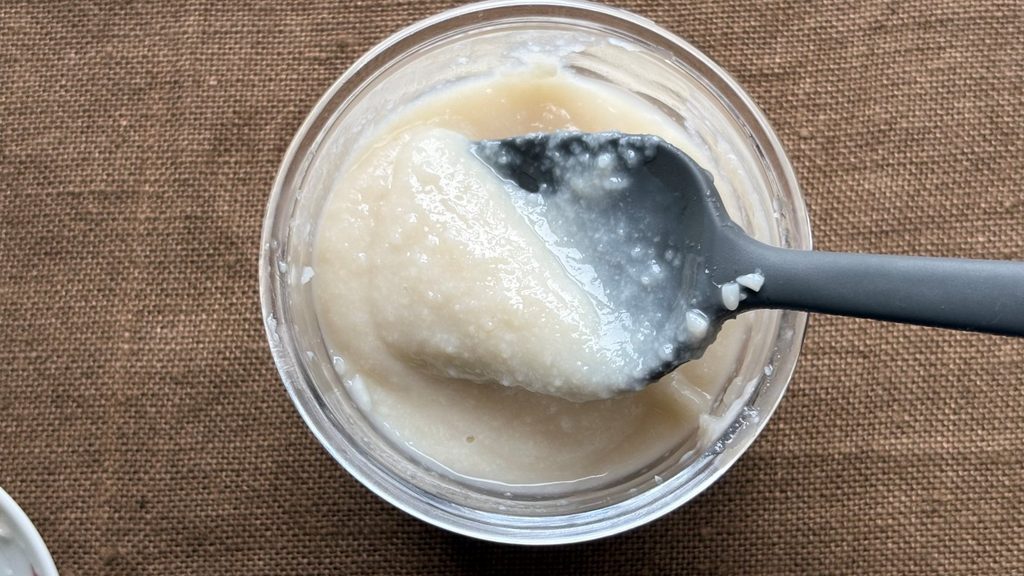
I blend it smooth in my small food processor, the récolte Capsule Cutter Quatre, so there are no grains of rice. This makes it much easier to use in dressings. Any small food processor or blender will do.
How I Store It
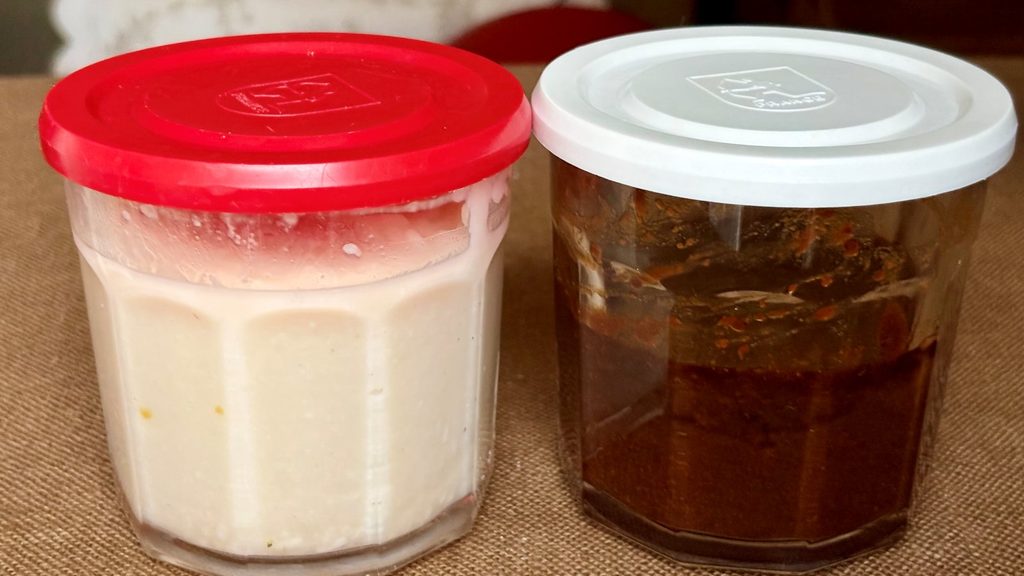
I always keep my shio koji in Luminarc glass jars. I started using them back when I worked at an import-goods shop in Japan, many years ago. I love the cute red lids. Now they also come with white lids, so I use both colors to tell my koji seasonings apart.
Keep it in the fridge. Chef Nakamura says to use it up within about three months. In my kitchen, one jar is gone in about a month!
How I Use It Every Day
1. Marinate meat and fish
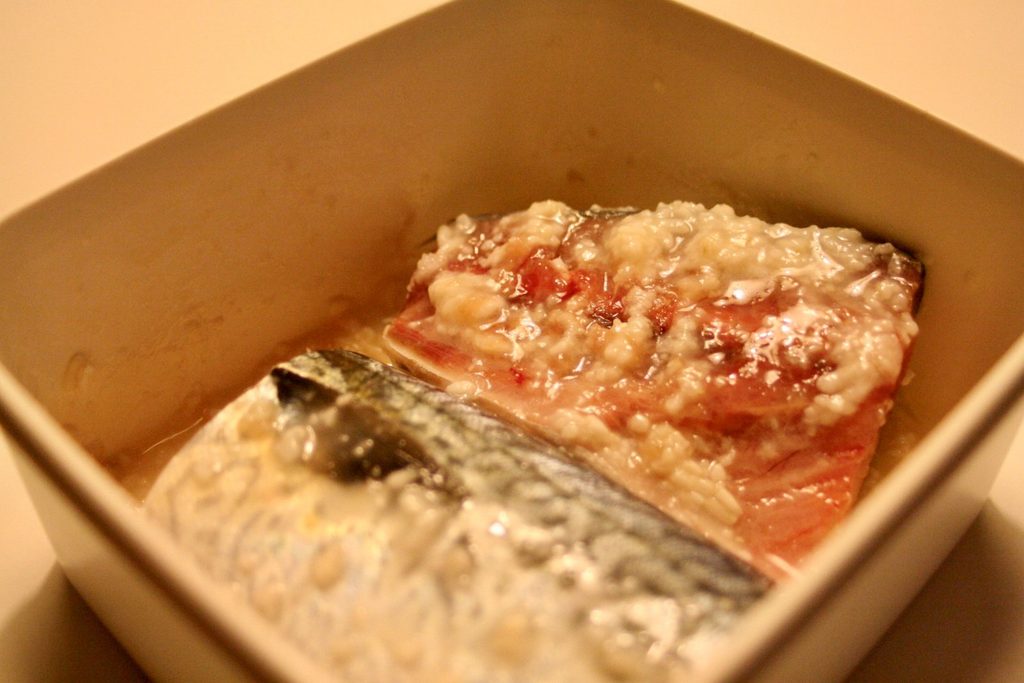
Coat meat or fish with shio koji and leave it in the fridge overnight. Then bake it in the oven. I often use salmon or white fish like cod. It works exactly the same way as my roast chicken.
2. Shio koji carrot dressing
- 100 g (about 3.5 oz) carrot
- 30 g (about 1 oz) onion
- Juice of 1 lemon (about 2 tablespoons)
- 1 tablespoon honey
- 4–5 tablespoons olive oil
- 1 tablespoon shio koji
- A little grated garlic, if you like
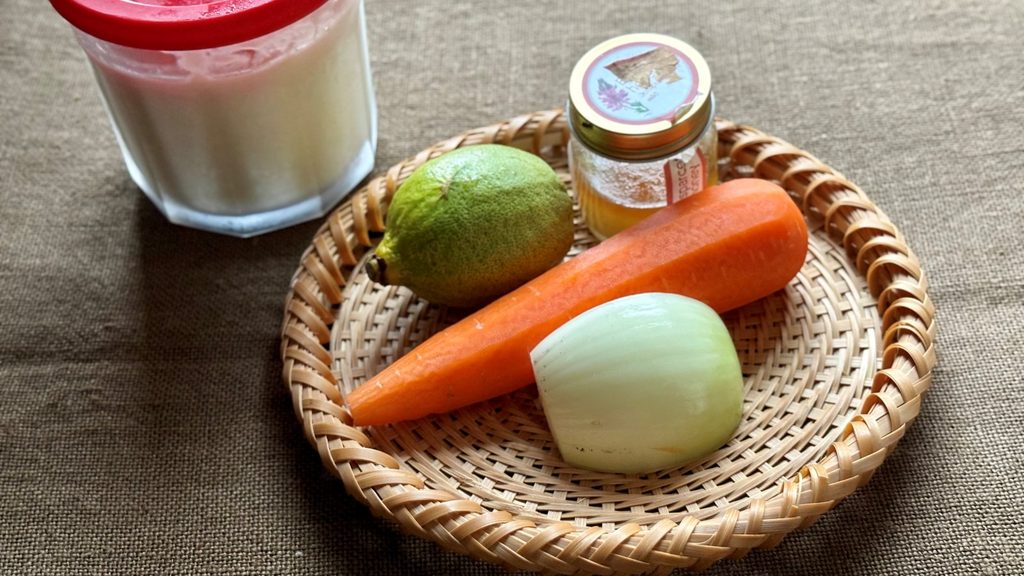
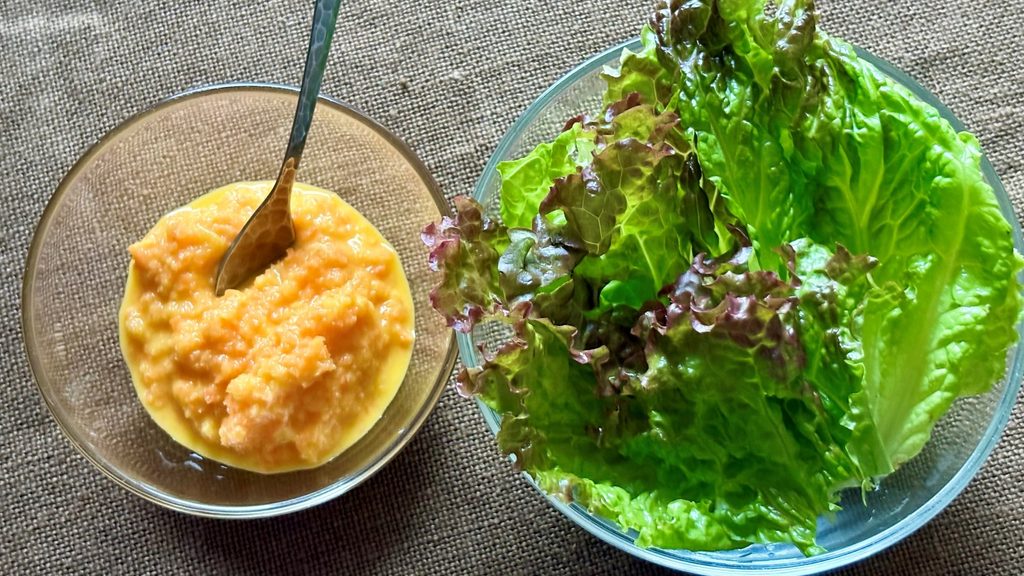
Put everything in a blender or small food processor and blend. My blender leaves little bits of carrot, and I like that. It feels like eating a salad. If you prefer it smooth, blend it longer into a paste. It feels softer in your mouth.
It keeps in the fridge for about one week.
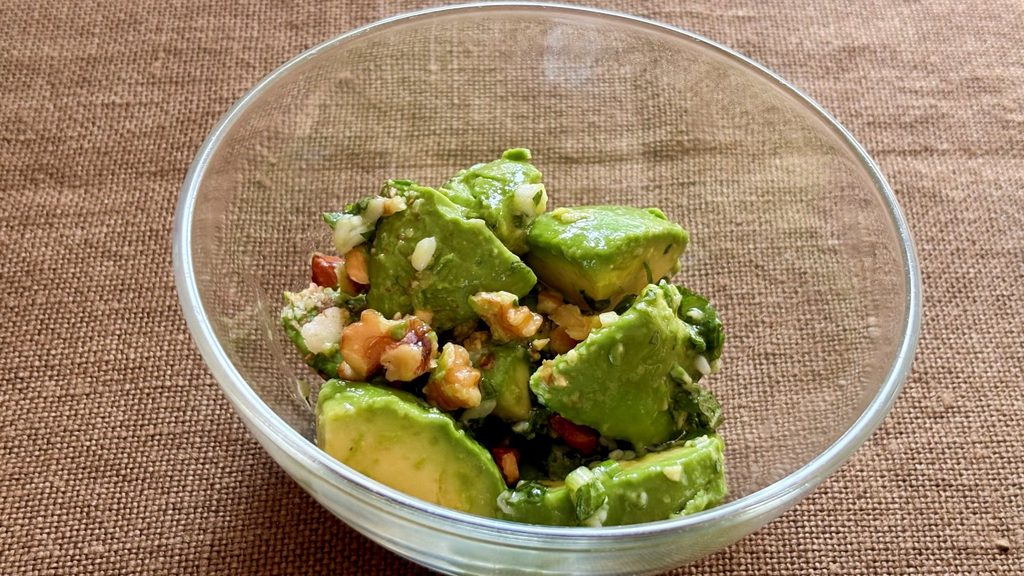
3. Avocado with shio koji
- 1 avocado
- ½ tablespoon shio koji
- 1 tablespoon olive oil
- 1 tablespoon finely chopped shiso and green onion
- About 1 tablespoon chopped nuts (I used walnuts and almonds)
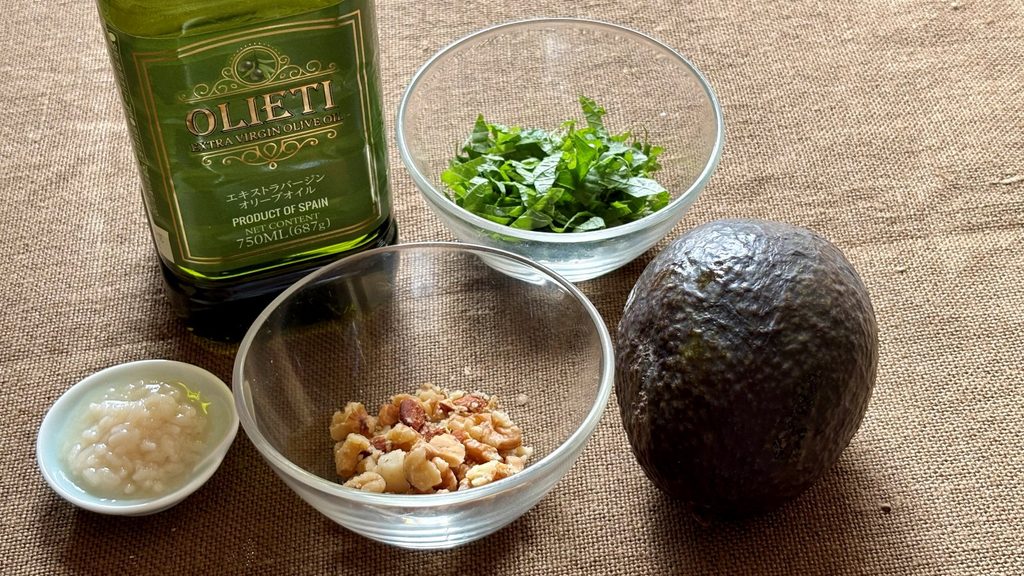
In a bowl, mix the shio koji, olive oil, shiso, and green onion. Cut the avocado into bite-size pieces, add them, and toss gently. Sprinkle the nuts on top and toss once more. That’s all. My avocado was very soft this time, so I mixed it quickly to keep the pieces from getting mushy.
Shiso is a Japanese herb with a fresh, bright aroma. If you can’t find it, use another fresh herb you like. The aroma makes it even more delicious.
Coming Next
Once you get used to shio koji, try shoyu koji (soy sauce koji) next. I make it the same way, and blend it smooth too. My favorite shoyu koji dressing uses grated onion, and it goes with almost any salad. I will share it in my next post.
Letters from my okatte: I also write a weekly letter about my kitchen and life in Kamakura. [Subscribe on Substack](https://okattekitchen.substack.com)